
Details
Ingredients
Green tea
Health Benefits
Peppermint
The gastrointestinal tract is often relieved by peppermint as it relaxes the intestinal wall’s muscles. As it increases saliva, swallowing increases and relieves cramps, improves appetite, and relieves pain from motion sickness, nausea, and irritable bowel syndrome. Peppermint is used orally in tea to relieve respiratory conditions including coughing, colds, acute respiratory difficulties, and viral, fungal, and bacterial infections.
Burdock Root
Burdock root has often been used to purify the blood by removing toxins that can build up in blood. Burdock has been used as a remedy for arthritis, viruses like colds and throat pain. Burdock enhances the performance of many of the organs which purify the body and eliminate toxins or waste (like the kidneys, liver, colon, etc). This enhances overall health and helps correct disorders.
Dandelion Root
Traditionally, the roots and leaves of the plant have been used as medicines for breast maladies, bloating, digestive disorders, aching joints, fevers, and skin disorders. Today, many herbal doctors use dandelion to purify the liver and gallbladder of toxins. Research indicates that dandelions can treat pneumonia, bronchitis, and other respiratory disorders. Dandelion is beneficial to the kidneys, pancreas, spleen, stomach, and other organs.
Licorice Root
Licorice was used historically to treat the skin and coughs. It is also used to treat constipation, bronchitis, inflammation, and arthritis. Research has shown that licorice flavonoids can kill the bacteria that causes stomach inflammation and ulcers, called Helicobacter pylori.
Red Clover Flowers
It contains the minerals needed by bodily glands, thus frequent use can assist in bringing about hormonal balance. Red clover also helps to soothe the nerves. Red clover has been used as a remedy for the symptoms of menopause. Among the symptoms which can be alleviated include hot flashes and mood swings. The red clover herb is also a known effective liver and blood purifier.
Basil
A component of basil’s oils, eugenol, is found to be effective in blocking action of an enzyme causing inflammatory health problems such as rheumatoid arthritis and inflammatory bowel conditions. Basil is a natural source of beta-carotene, an antioxidant which combats free radicals in the body, preventing damage to blood vessels and the build up of cholesterol in the blood stream. Only the oxidized cholesterol adheres to vessel walls restricting blood flow.
History
Grown in the Zhejiang province, Dragonwell traditionally boasts four unique traits: flat, broad leaves, a jade-green liquor, fresh aroma and a mellow flavour. Also known as Lung Chings, Dragonwell is one of China’s most famous and finest teas.
Legend says that in 250AD a drought severely hampered monks efforts to grow tea on Lion’s Peak mountain. A monk hoping to end the drought prayed fervently for rain to a dragon who supposedly lived in a nearby spring. Instantly, rains poured down to nourish the wilting tea crop. Named Dragon’s Well, the spring never ran dry again. A further historical note--during the Tang dynasty, a renowned man of letters, Lu Yu referred to Dragonwell in his book, "The Book of Tea" (Cha Jing).
Use
Make this delicious and refreshing green tea an everyday treat. Try pairing with milk chocolate or fruit-based desserts.
Also pairs well with mild flavoured foods like chicken, seafood, salads and creamy cheeses. Considered to promote a cooling effect, the tea is often served in the summer.
Caffeine Level
Less Caffeine
Refresh yourself with a delicious cup of fresh tea with less caffeine as your afternoon pick-me-up.
Character
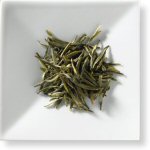
Leaves: Flat and smooth
Aroma: Earthy, nutty
Colour: Yellow-green liquor
Taste: Full, mellow toasted flavour reminiscent of chesnuts with a lingering sweet, buttery finish. A refreshingly smooth profile.
Origin
China
- Be the first to review this product
Write Your Own Review